A walk through Jotoku-ji
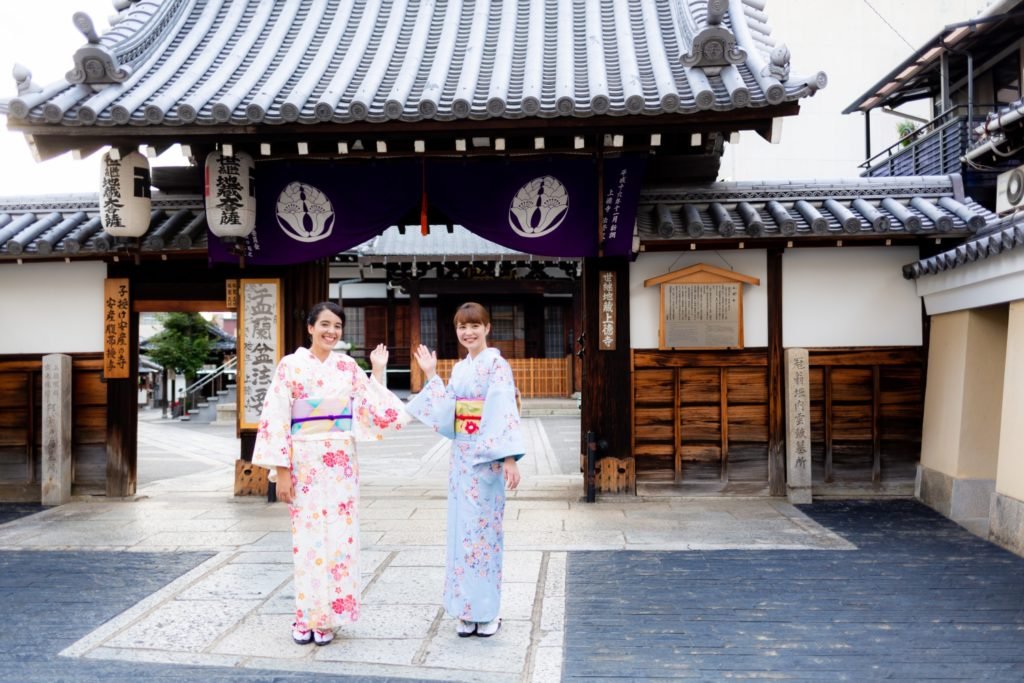
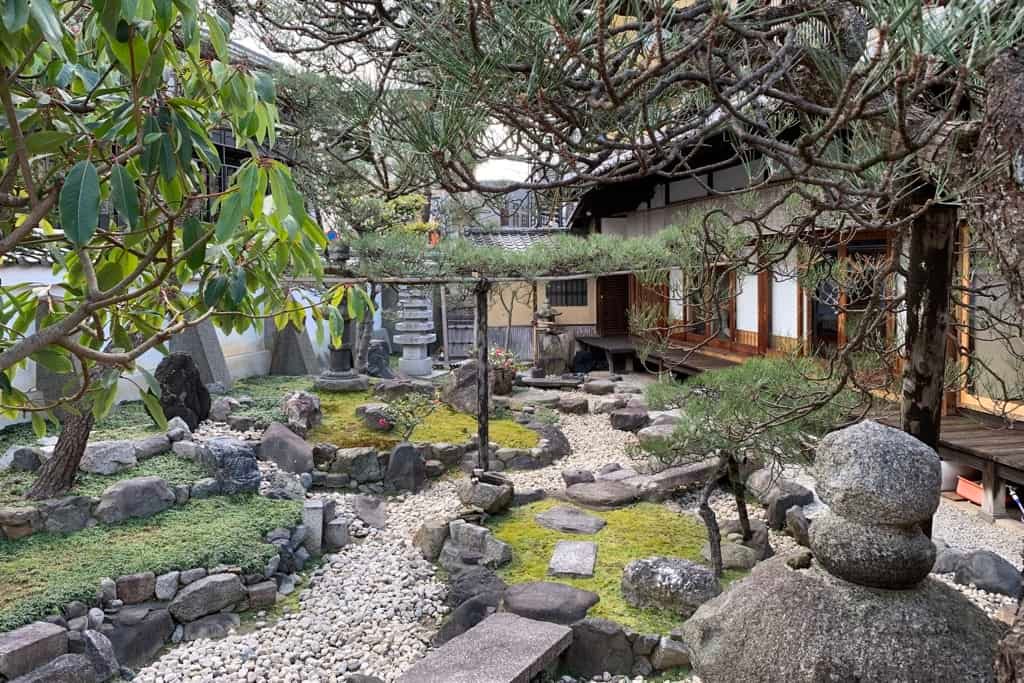
We begin in the temple grounds. Built in 1603 and rarely opened to outside guests, Jotoku-ji is your introduction to the place that has held this tradition for four centuries.
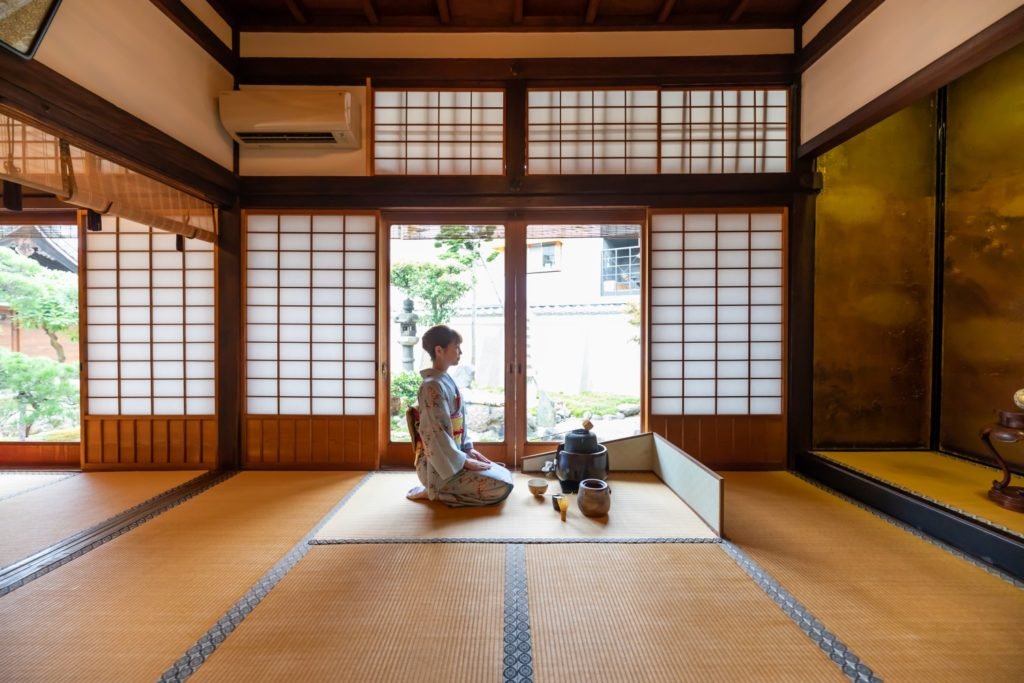
An authentic Japanese tea ceremony — performed by a licensed Tea Master, in a 17th-century temple. Seventy minutes you will not forget.
Reserve a CeremonyThe ceremony you will share with us is the only one of its kind that will ever take place. The day, the company, the steam rising from the kettle — they meet here, once, and then they pass. Ichigo Ichie asks us to honour the moment as it is.
The way of tea grew from the meditative practice of XVI-century Zen monks. Today it stands as the quintessential expression of Japanese culture: a quiet conversation between the host and a few guests, conducted in wa kei sei jaku — harmony, respect, purity, tranquility: the four philosophical and aesthetic tenets of wabi-sabi — the beauty of imperfection and impermanence.
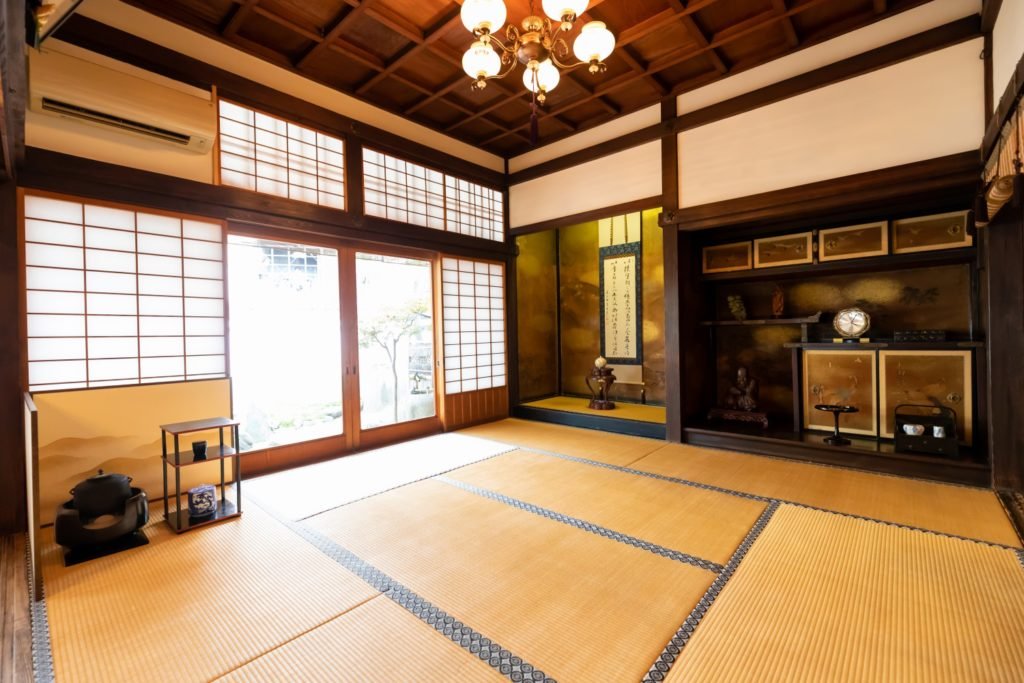
At Ju-An, this conversation takes place inside Jotoku-ji Temple, in the Grand Tea Room, prepared each morning for the guests of the day.
We begin in the temple grounds. Built in 1603 and rarely opened to outside guests, Jotoku-ji is your introduction to the place that has held this tradition for four centuries.
Your host introduces the history of chado, the philosophy behind every gesture, and the role matcha tea has played in Japanese life since the XIII century. Questions are welcomed throughout this section.
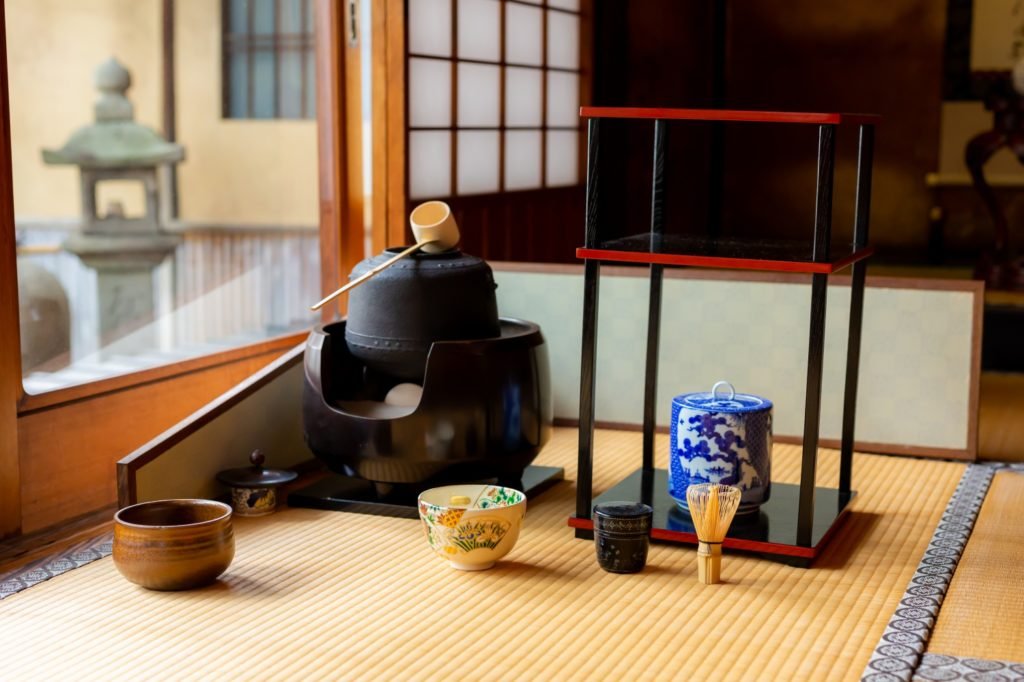
The Tea Master performs the ritual in full, in silence. This is the heart of the experience — the part the eye understands long before the mind catches up.
Guided step by step, you whisk a bowl of matcha with your own hands. A small sweet, a moment to taste, and the ceremony closes the way it began — in stillness.
Night view of Kyoto from the grounds of Kiyomizu-dera Temple
Built in 778 AD — now 1,250 years old Copyright © teaceremonyjuan.comUnforgettable and magical — a meaningful part of touching the spirit of Japan.
“The careful way she explained the meaning behind every step. We will remember it for years.”
“A wonderful experience — real insight into Japanese tradition. Worth coming to Kyoto for, alone.”
“A once in a lifetime opportunity. The temple setting makes it feel sacred, not staged.”
“A warm, interesting, and grounding experience. It reminded me to slow down — the women leading the ceremony were clearly very connected to its history, and their passion was contagious.”
“Private, relaxed and very informative — time flies as you listen to the history and significance of tea ceremony. You also get to make your own bowl of matcha, and it was the best matcha I ever had.”
If your question is not answered here, write to us — we reply personally, in English, within a day.
A 500-year-old tradition in which a Tea Master prepares matcha for invited guests, in a tearoom (chashitsu) or, in our case, a Grand Tea Room. It is a quiet, deliberate practice — closer to a meditation than a meal.
Group sessions are ¥4,500 per adult and ¥3,000 per child (aged 5–14), for a maximum of 10 guests. Private sessions are ¥50,000 for up to 4 adults and 4 children.
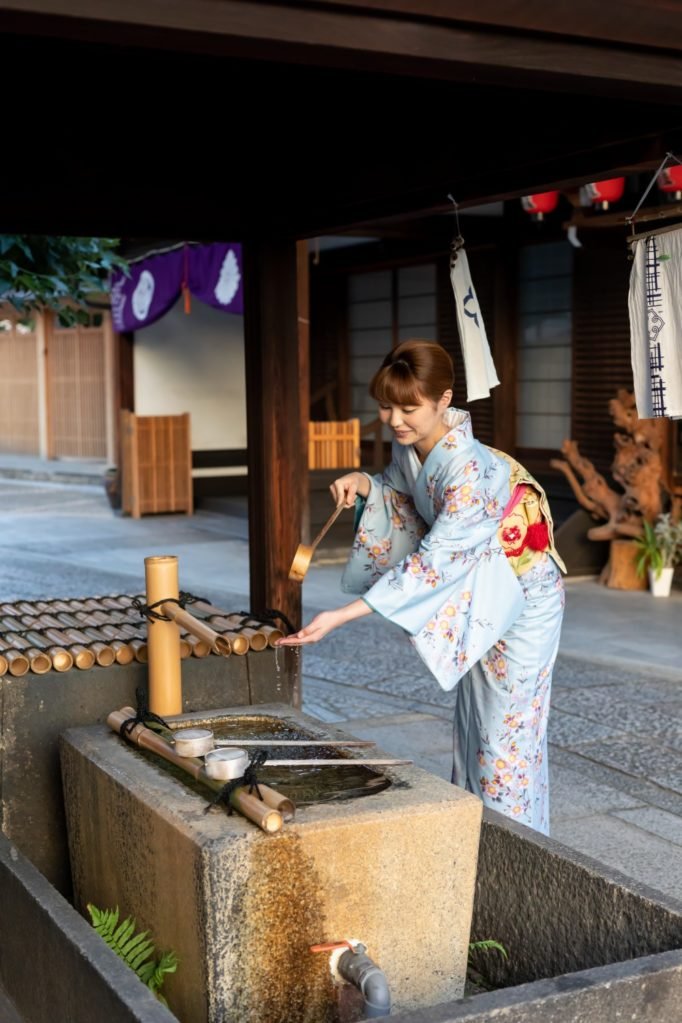
Etiquette traditionally requires wearing a kimono, but in our Workshop this is not required. You are very welcome to attend in your everyday clothes. However, wearing a kimono can only enrich your experience of the Japanese tea ceremony — and afterwards you can wander through the streets of Kyoto in your kimono, do some shopping, and draw the admiration of the locals. See our Kimonos & How to Dress guide for full details including rental information.
No. Although it takes place inside a temple and grew from Zen practice, the ceremony itself is entirely secular. Guests of every faith — and none — are welcome.
By debit or credit card, through our booking form at the time of reservation. No cash is needed on the day.